Your cart is currently empty!.
You may check out all the available products and buy some in the shop.
Continue Shopping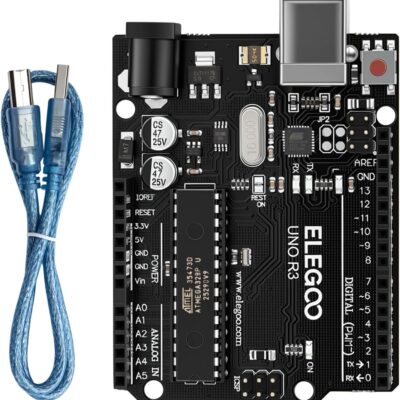


Explore single board computers and development boards for coding, learning, and small electronics projects. Build a simple light control, read a sensor, or try a small computer project at home.
Right Tech Store lists the Raspberry Pi Zero 2 W, Arduino Nano ESP32, ELEGOO UNO R3, and ESP32 development boards. Each board serves different needs, so start with the project you want to build.
Compare the software, connections, power needs, and included parts before buying. A board may need extra cables, storage, or sensors before you can use it for your chosen project.
A single board computer places the main parts of a computer on one small board. It can run a supported operating system, which is the software that manages the computer.
The Raspberry Pi Zero 2 W is an example in this category. It can run Raspberry Pi OS and support small projects that need a computer rather than a simple controller.
Our range also includes microcontroller boards. These run programs that control tasks, such as reading a button or switching a small light.
Both types are useful for learning. However, they do not work in the same way or use all the same accessories.
The Raspberry Pi Zero 2 W is a compact computer board with built-in Wi-Fi and Bluetooth. Its small size makes it useful when a project has limited space.
It has 512MB of memory, a mini HDMI connection, and micro USB ports. A microSD card holds the operating system and files for a typical setup.
Choose this board when your project needs supported computer software. Its memory is limited, so plan for light tasks rather than treating it as a full laptop replacement.
The store listing does not include a microSD card, power supply, or other accessories. Check the items needed for your setup before ordering.
If you plan to connect wires to the board, check whether pins are fitted. The standard Zero 2 W has connection holes without a fitted pin header.
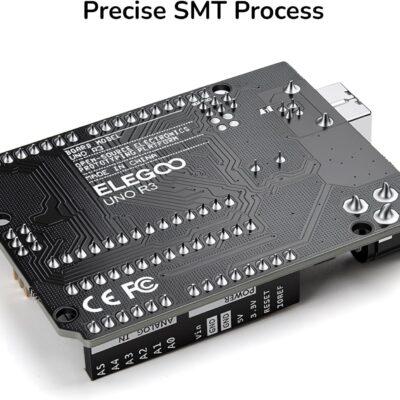
The ELEGOO UNO R3 board is a microcontroller board for small control projects. It works with the Arduino IDE, an app used to write and send code to supported boards.
You can use it to learn how code works with physical parts. Common starting tasks include blinking a light, reading a button, or checking a sensor value.
The listed board includes a USB cable. It does not include a breadboard, sensors, or extra add-on boards. A breadboard is a small board that helps you connect parts without soldering.
Start with a guide made for an UNO R3-compatible board. Check the wiring and required parts before copying a project. Similar-looking boards can have different connections.
The Arduino Nano ESP32 with headers combines a small board size with wireless features. It includes Wi-Fi, Bluetooth, and a USB-C connection.
This board supports Arduino tools and MicroPython. MicroPython is a version of Python designed for small devices. Choose a guide that matches the software you want to learn.
The listed version has fitted headers. These are rows of pins used to connect the board to a breadboard or suitable wires.
It may suit a project that reads a sensor and shares the result over a network. You still need suitable code and any extra parts required by the project.
ESP32 development boards combine a controller with wireless connections. They can be used in projects that read sensors, control small devices, or share data.
This category includes an ELEGOO ESP32 development board three-pack and another ESP-WROOM-32 three-pack.
A pack of three may be useful for lessons or several separate projects. It also lets you keep one working project assembled while testing another idea.
Check each listing's USB connection and package contents. The ELEGOO three-pack listing states that a USB-C cable is not included.
Do not assume every ESP32 board has the same layout. Use the connection diagram and setup guide for the exact board you buy.
Write down what you want the board to do. A simple button-controlled light has different needs from a project that runs computer software.
Choose a beginner guide before buying parts. Its parts list can help you see which board, cables, and sensors are needed.
Check whether the project uses Arduino code, MicroPython, or software for Raspberry Pi OS. These are different paths, and setup steps vary.
If you are following a class or course, use the recommended board where possible. This makes it easier to follow the lessons and ask for help.
Some projects need Wi-Fi or Bluetooth. Others work with simple wired connections. Check that the exact board includes the wireless feature your project requires.
Wireless hardware alone does not create a finished smart device. You will still need to set up the software and connections.
Check the board's power guide and the voltage needed by each connected part. A sensor that works with one board may need extra parts to work with another.
Motors often need a separate driver and power source. Follow a trusted project guide rather than connecting them directly to the board's small control pins.
A board is often only one part of a complete project. Read the package list carefully so you can plan for missing items.
If you need computer accessories for setup, browse our computers and accessories category. Check each item's connection and fit before adding it to your project.
A blinking light is a common first project. It helps you learn how to send code to a board and change the time between actions.
Use a supported guide to make a button change an output. This introduces the idea of an input, such as a press, causing an action.
A suitable sensor can measure something such as temperature or light. You can learn to read the value and show it on a computer or supported display.
Start by setting up the operating system and running a simple program. Once that works, add the parts and software needed for your chosen task.
Not always. The UNO R3 and Nano ESP32 are microcontroller boards. The Raspberry Pi Zero 2 W is a single board computer that can run a supported operating system.
Choose the board used by a clear beginner course or project guide. An UNO R3-compatible board can suit basic electronics lessons. Other projects may call for ESP32 or Raspberry Pi.
A typical setup uses a microSD card for the operating system and files. The listed product does not include one.
Yes. Arduino provides MicroPython support and learning resources for the Nano ESP32. Follow the setup steps for this exact board.
No. Package contents vary. Check whether the listing includes only a board, several boards, a cable, or a larger set of project parts.
They may include a basic test program, but your chosen project usually needs setup and code. Raspberry Pi also needs a suitable operating system prepared for use.
Not without checking it. Boards can use different pins, software tools, and features. Follow code examples written for your board and connected parts.
Choose a board that fits what you want to learn or build. Compare the Raspberry Pi Zero 2 W, Arduino Nano ESP32, ELEGOO UNO R3, and ESP32 options listed here.
Check the required extras, then visit the Right Tech Store shop to explore more products for your setup.